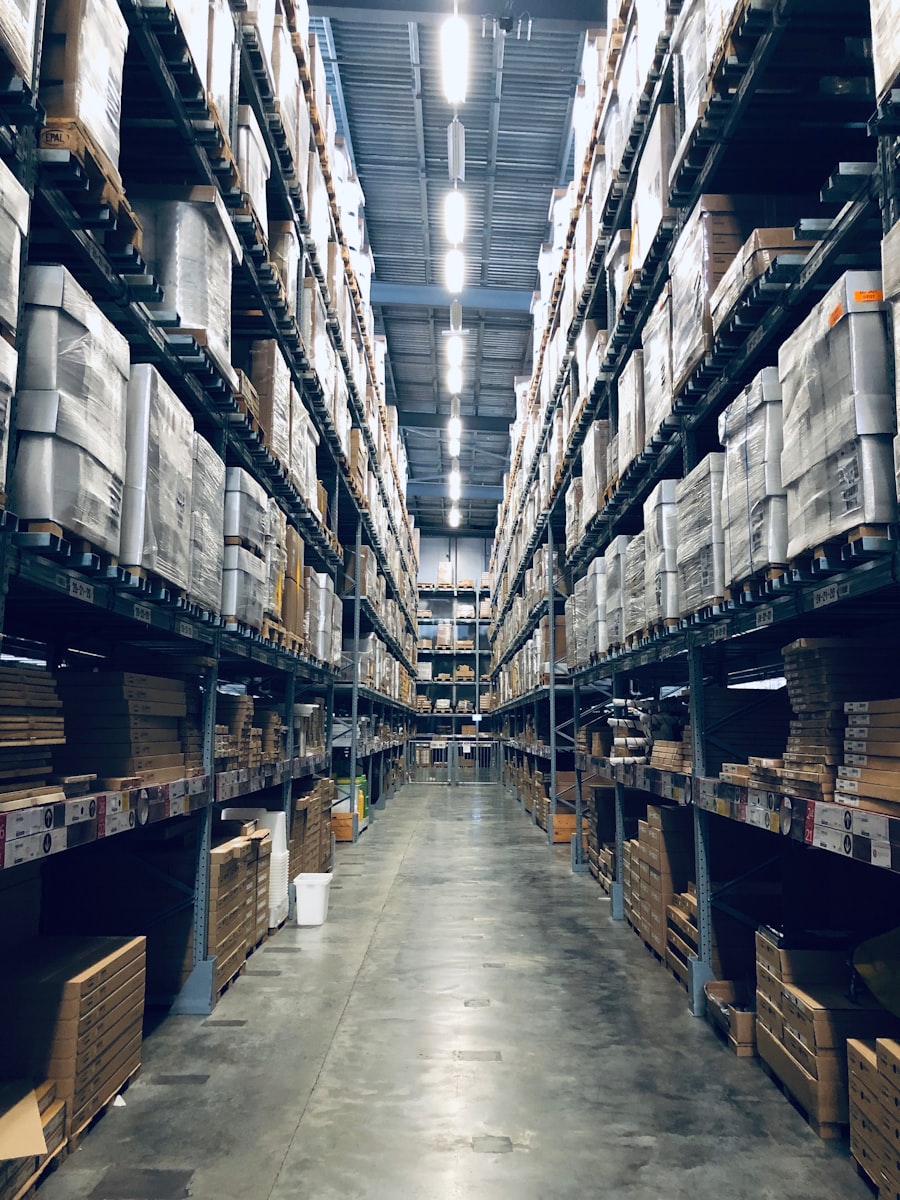
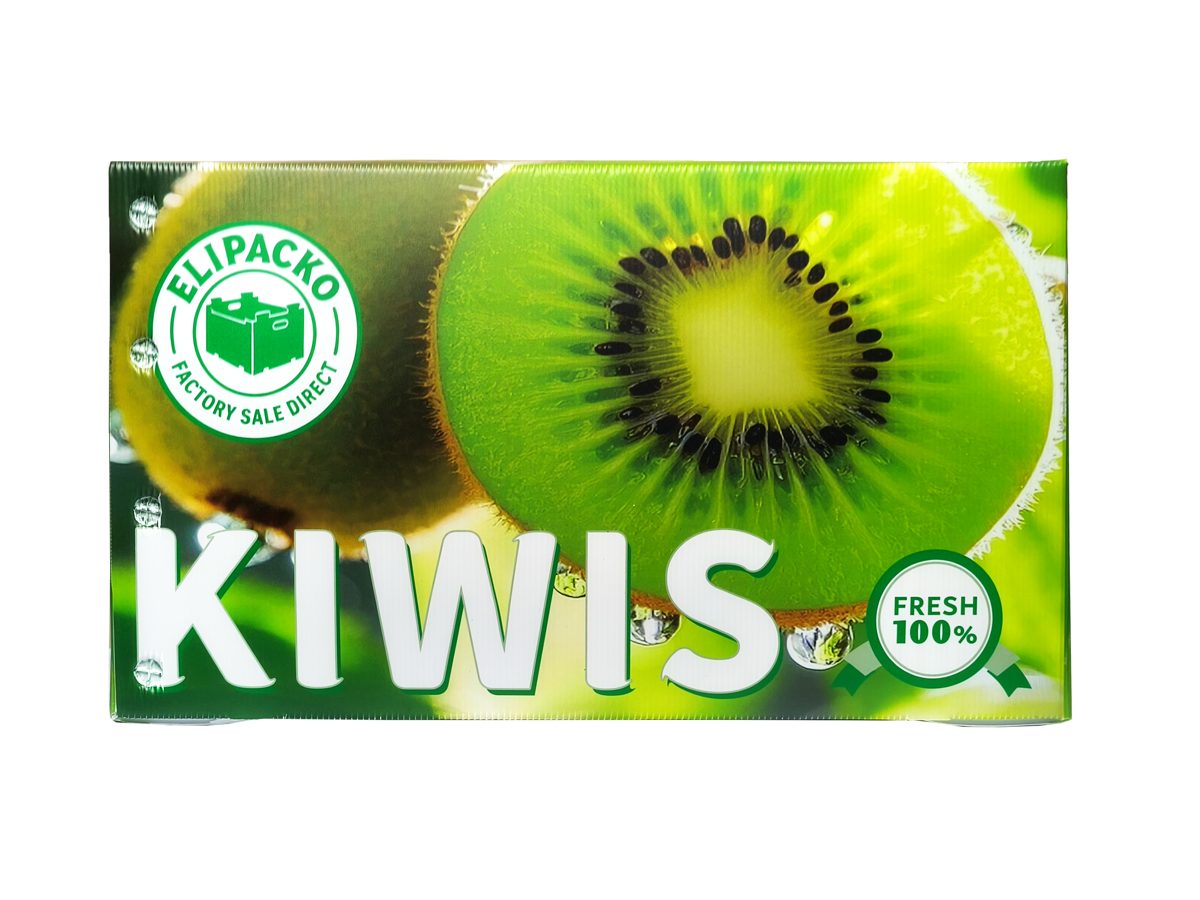
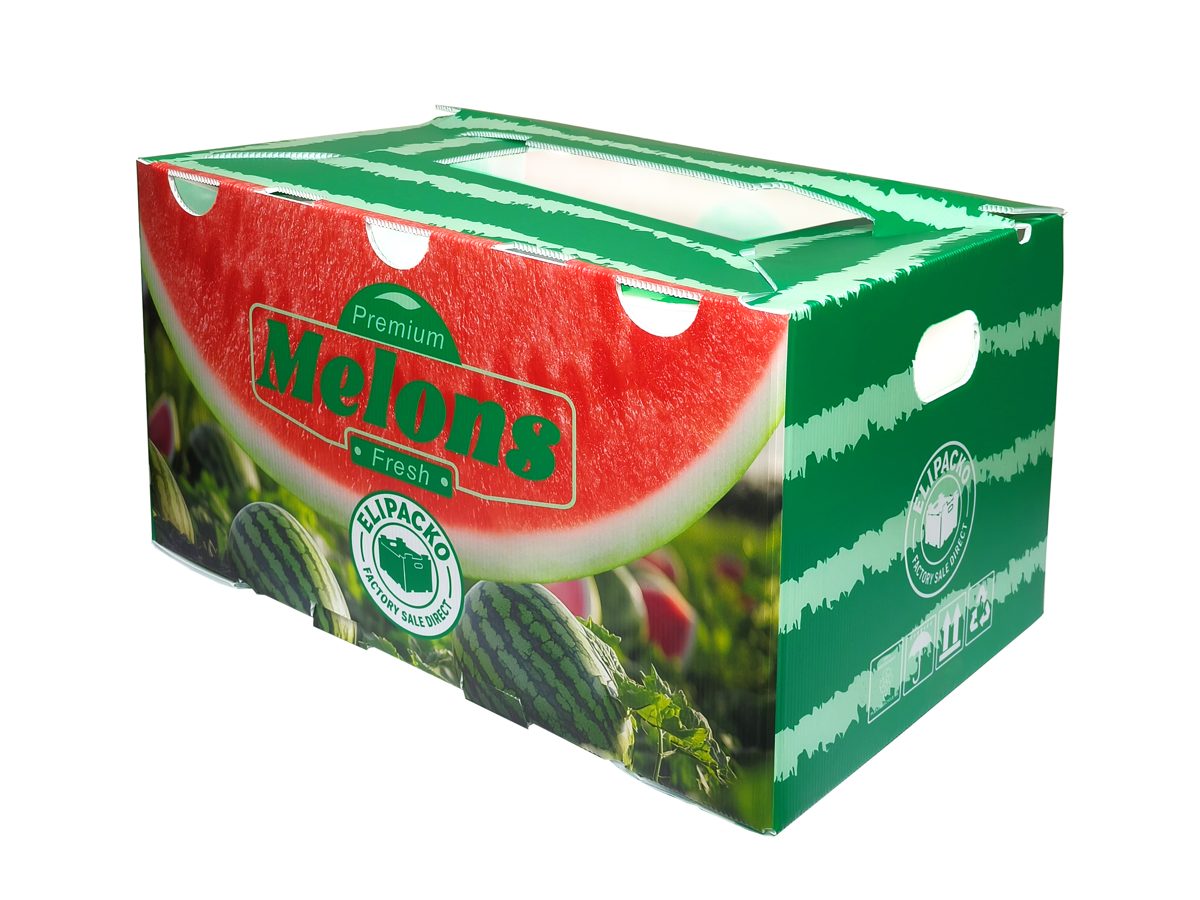
PP polypropylene boxes and bins Stacked polypropylene boxes in warehouse Polypropylene bulk container Polypropylene boxes stacked in warehouse PP polypropylene storage bins and boxes Polypropylene box — watermelon — Elipacko

The Polypropylene Box — Premier Food-Safe Industrial Packaging

PP boxes for food, industrial, and agricultural use. Gaylord boxes, produce crates, meat bins, and corrugated PP boxes. FDA 21 CFR virgin resin. Recyclable. Built for reusable fleets that outperform single-use cardboard on every metric.

Request a Quote from Elipacko

Why Polypropylene

FDA
21 CFR 177.1520 Food-Grade
#5
Recyclable PP Resin Code
50+
Reuse Cycles Per Unit
BPA-Free
No Bisphenol A in PP

Product Overview

Polypropylene Boxes: The Industrial Standard for Food-Safe, Reusable Packaging

Polypropylene is the premier food-safe industrial plastic. This is not a marketing claim — it is a conclusion supported by decades of regulatory acceptance, material science data, and real-world performance in some of the most demanding supply chains on earth. PP is recognized under FDA 21 CFR 177.1520 for food-contact use. It is chemically inert against the acids, fats, and sanitizers present in food manufacturing environments. It does not absorb water, does not shed fiber into food products, and does not require heat treatment, fumigation, or phytosanitary certification for international trade. And it is available in virgin, food-grade resin formulations that provide a clean, documented compliance record for FDA-regulated facilities.

A polypropylene box built from these materials — whether injection-molded as a gaylord, crate, or meat bin, or fabricated from twin-wall PP corrugated sheet as a folded box — brings these properties to any link in the food supply chain. It replaces cardboard, wax-treated fiberboard, and composite-material packaging with a single material that performs better, costs less per trip, and provides a cleaner regulatory and sustainability profile.

Elipacko supplies the full range of polypropylene boxes for food, industrial, and agricultural customers across the United States. Our product line covers injection-molded gaylord boxes and bulk containers, injection-molded produce crates and meat bins, and twin-wall PP corrugated folded boxes. All food-contact products are available in FDA 21 CFR–compliant virgin resin formulations with full material documentation.

Gaylord Boxes & Bulk Containers

Large-format PP bulk containers with standard GMA pallet footprints. Up to 1,500 lb rated capacity. Moisture-proof, chemical-resistant, reusable 50+ trips. Replace cardboard gaylords in dry and semi-liquid bulk applications.

Produce Crates

Ventilated PP crates for field-to-distribution fresh produce. Washable at 180°F, stackable 6–8 high. Reusable fleet economics eliminate single-use wax cardboard from your pack house. FDA 21 CFR food-contact compliant.

Meat Bins & Processing Containers

Copolymer PP bins rated for blast-freeze to –20°F. Smooth internal radii for HACCP compliance. Resistant to lactic acid, blood, fat, and alkaline sanitizers. Food-grade virgin resin with compliance documentation available.

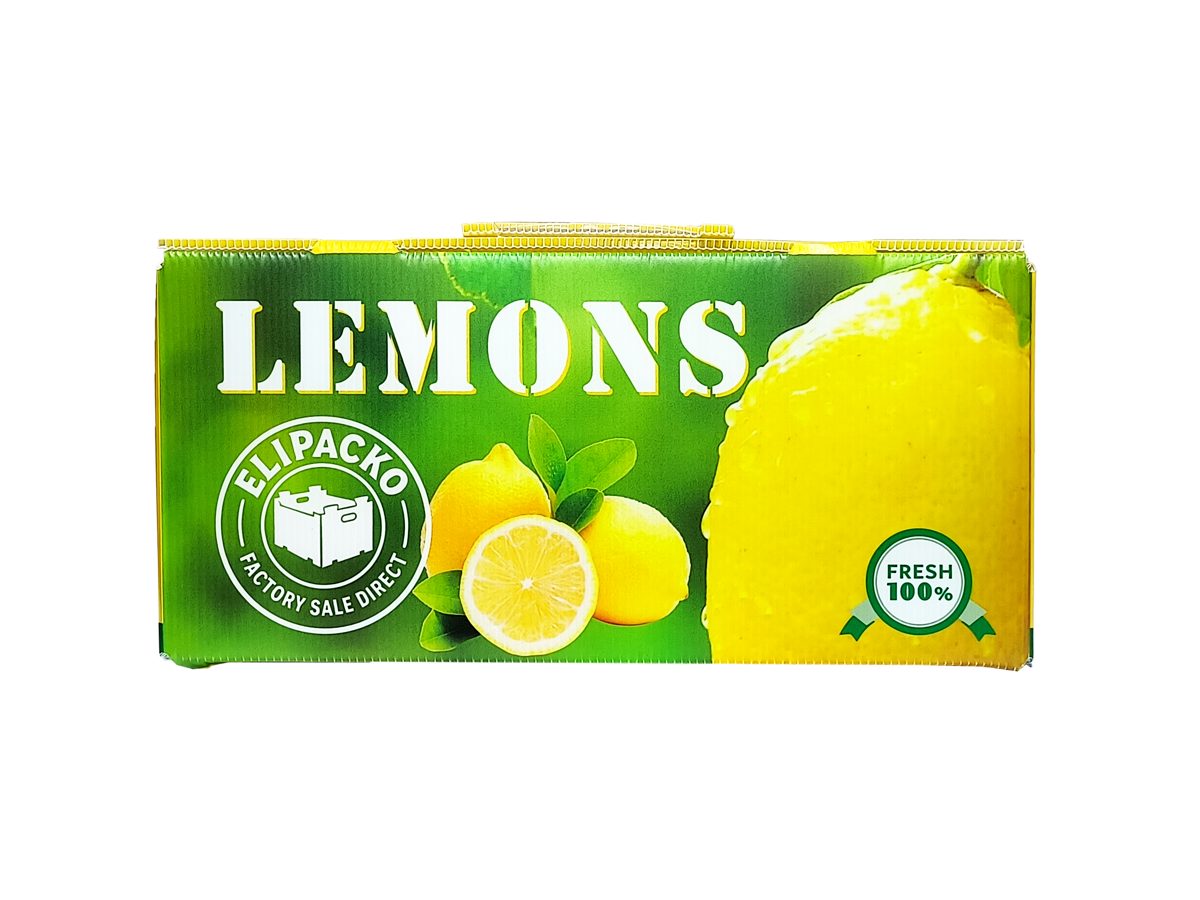
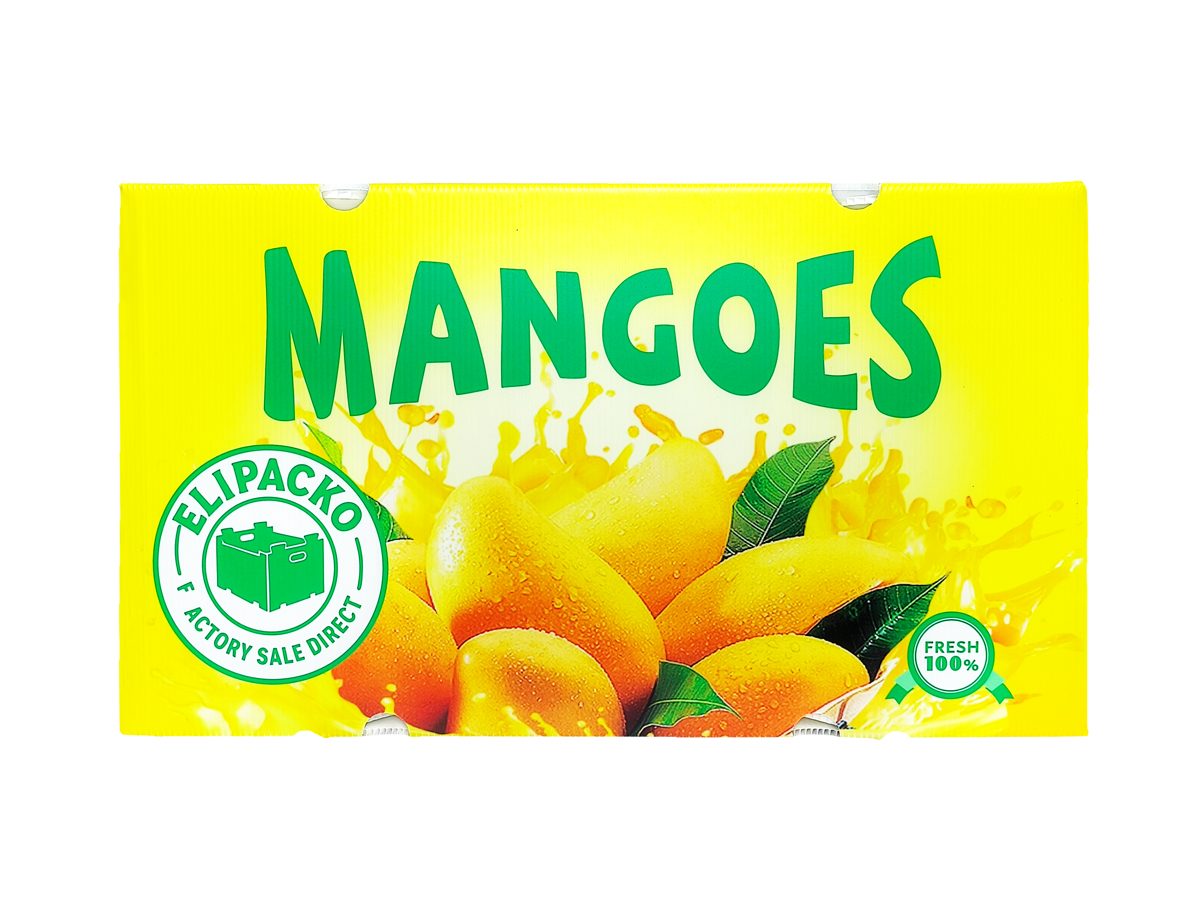
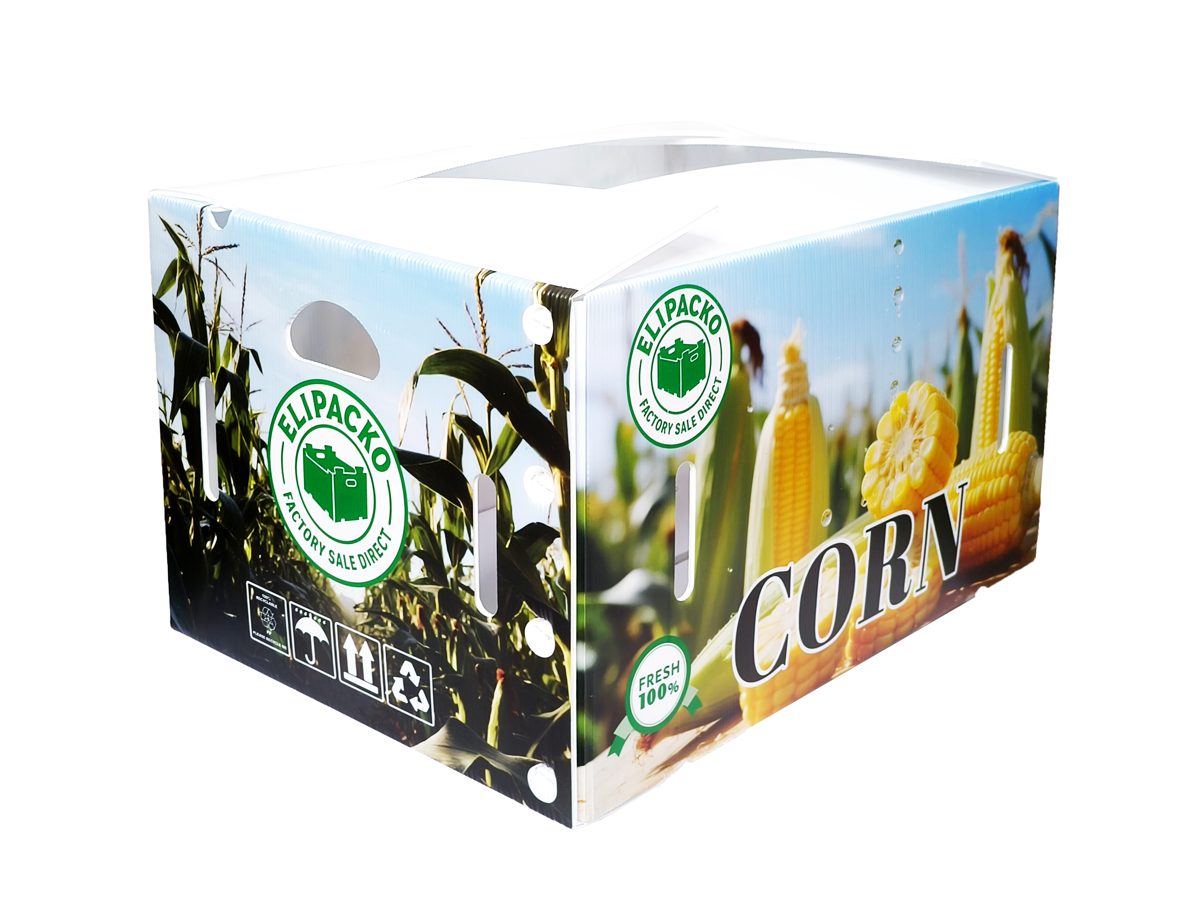
Corrugated PP Folded Boxes

Twin-wall PP corrugated sheet fabricated into folded box format. Custom dimensions, waterproof, reusable 50+ times. Lighter than injection-molded solid-wall versions. Custom print and color options available.

Industrial & Agricultural Boxes

PP boxes for parts kitting, agricultural inputs, nursery products, and industrial components. Chemical-resistant, non-fiber-shedding surfaces. Standard and custom sizes. Compatible with wash-down environments.

Custom & Specialty PP Boxes

Non-standard dimensions, special configurations, integrated handles, drain holes, ventilation patterns, printed graphics, and color-coded identification. Contact Elipacko for custom development consultation and tooling timelines.
Material Science & Compliance

Why Polypropylene Is the Right Material for Food-Safe Industrial Boxes

FDA 21 CFR Compliance — US-First

In the United States, food-contact plastics are regulated primarily under Title 21 of the Code of Federal Regulations. Polypropylene is specifically addressed under 21 CFR 177.1520, which establishes the conditions of use and the resin specifications under which PP may be safely used in direct and indirect food-contact applications. These include packaging for meat and poultry products regulated under USDA FSIS, fresh produce packaging under FDA produce safety rules, and food processing containers subject to FSMA preventive controls.

When Elipacko manufactures polypropylene boxes from virgin resin formulated to 21 CFR 177.1520 specifications, the resulting containers carry a straightforward compliance position under US food-contact law. There is no complex multi-step migration testing required, no variance petition, and no regulatory ambiguity for standard food-contact applications within the temperature and content ranges specified in the regulation. For food manufacturers, distributors, and pack houses operating under FDA oversight, this is a material advantage over alternative packaging materials whose food-contact status is either not established, requires separate documentation, or varies by specific application.

Facilities operating under FSMA produce safety programs or FSMA preventive controls for human food should document their food-contact packaging materials in their food safety plans. Elipacko provides resin compliance letters and material declarations for qualifying orders, simplifying this documentation requirement.

The Reusable Fleet Model vs. Single-Use Cardboard

The dominant packaging model for fresh produce, food ingredients, and agricultural products in the United States is still single-use cardboard. Every unit shipped requires a new box, purchased, assembled, filled, shipped, and then discarded or recycled on the receiving end. The total system cost of this model is high: box purchasing, box storage, box assembly labor, disposal of incoming empty boxes on the receiving end, and waste hauling all add up to a significant percentage of total packaging cost.

The reusable PP box fleet model operates differently. A pool of PP boxes is purchased as a capital investment. Those boxes move outbound loaded and return inbound empty, through a wash rack, and back into service. Each trip's material cost is the purchase price divided by the total number of trips — typically arriving at a per-trip cost of $0.10 to $0.20 for a produce crate or gaylord box that would otherwise cost $0.35 to $2.50 per trip in cardboard.

The economic logic is clear, and it has driven widespread adoption of reusable PP container programs in the fresh produce industry, the meat processing industry, and increasingly in dry-goods and industrial applications. Elipacko helps customers design reusable fleet programs from the ground up, including fleet sizing, wash rack specification, return logistics design, and compliance documentation for food-regulated applications.

Chemical Resistance in Food Processing Environments

A polypropylene box in food service encounters a remarkable range of chemical challenges over its service life. In fresh produce, it contacts organic acids from fruit juices, ethylene gas from ripening, and the full spectrum of produce wash chemicals including chlorinated water, peracetic acid rinses, and quaternary ammonium sanitizers. In meat processing, it contacts lactic acid from muscle tissue, blood, fats and lipids, and powerful alkaline cleaners at temperatures up to 180°F. In agricultural applications, it may contact fertilizer solutions, pesticide residues, and harsh outdoor conditions including UV exposure, rain, and temperature cycling.

PP performs well in all of these environments. Its resistance to dilute organic acids, alkaline solutions, alcohols, and aqueous cleaners is excellent. It does not absorb fats or oils in any meaningful way under normal service temperatures. It does not stress-crack under chemical exposure the way some engineering plastics do. And because its chemical resistance is an inherent material property rather than a surface coating, it does not degrade over repeated wash and service cycles.

PP vs. Single-Use Cardboard — A Compliance Comparison

Cardboard boxes in food contact are regulated under FDA 21 CFR 176.170 (components of paper and paperboard in contact with aqueous and fatty foods) and related sections. Wax-coated cardboard boxes carry additional regulatory complexity, and the wax coating disqualifies them from standard paper recycling streams. Corrugated cardboard boxes that have contacted food are typically not recyclable and go to landfill.

Cardboard also presents a contamination risk that PP does not: fiber shedding. Paper fibers that shed from cardboard boxes into food products are a known contamination pathway documented in food safety audits. This risk is eliminated entirely with PP containers, which shed no fibers under normal handling, processing, or sanitation conditions.

From a sustainability reporting perspective, a reusable PP box fleet provides a documented, calculable reduction in packaging waste. The number of cardboard boxes displaced per year, multiplied by the weight of cardboard per box, yields a measurable annual waste reduction figure. For companies managing sustainability scorecards, corporate responsibility reports, or retail customer sustainability requirements, this is an advantage over the continuous, linear consumption of single-use cardboard.

Recyclability at End of Life

Polypropylene carries resin identification code #5. Industrial PP recycling is well-established in the United States, with numerous recyclers accepting post-industrial and post-consumer PP for granulation and reprocessing. A PP box fleet that reaches end of service life — typically after 50 to 100+ trips, depending on service conditions — can be sold or donated to a PP recycler rather than sent to landfill.

This closes the material loop in a meaningful way: the polypropylene in a retired Elipacko produce crate becomes raw material for a secondary PP product. The value chain remains within the polypropylene material family. Compare this to the fate of wax-coated cardboard: non-recyclable, landfill-destined, and replaced immediately with another virgin cardboard box — a linear consumption model with no residual value recovery.


Specifications

Polypropylene Box Specifications

Representative specifications for the Elipacko polypropylene box product range. Custom configurations, dimensions, and resin grades are available. All food-contact products available with FDA 21 CFR 177.1520 documentation.

Box Type Construction Standard Dimensions Load Rating Temperature Range Resin Grade FDA 21 CFR
Gaylord Box Injection-molded / Corrugated 40×48×36 in (std) 1,200–1,500 lb –4°F to 212°F Homopolymer / Copolymer Yes (virgin)
Produce Crate (std) Injection-molded 24×16×11 in 55–70 lb –4°F to 180°F Homopolymer Yes (virgin)
Produce Crate (large) Injection-molded 24×16×14 in 70–88 lb –4°F to 180°F Homopolymer Yes (virgin)
Meat Bin (standard) Injection-molded 26×17×8 in 66–88 lb –20°F to 212°F Copolymer (blast-freeze) Yes (virgin)
Meat Bin (deep) Injection-molded 26×17×12 in 88–110 lb –20°F to 212°F Copolymer (blast-freeze) Yes (virgin)
Corrugated PP Box Twin-wall corrugated, folded Custom — any size Per design –4°F to 140°F Homopolymer Yes (virgin)
Agricultural / Industrial Box Injection-molded / Corrugated Standard and custom Per design –4°F to 212°F Homopolymer / Copolymer Available

Detailed Product Information

Polypropylene Boxes for Every Stage of the Food Supply Chain

Polypropylene boxes are used at virtually every link in the food and agricultural supply chain — from the field and the processing plant through distribution and on to food service and retail. Understanding which PP box format is right for each application is the starting point for building a reusable packaging program that delivers maximum cost savings, compliance confidence, and operational efficiency.

Field Harvest and Pack House

Fresh produce enters the supply chain at the field harvest and pack house stage, where product volume, handling speed, and hygiene are all critical. PP produce crates are the right format here. Their open-mesh or ventilated sidewall construction promotes air circulation, which is essential for pre-cooling during forced-air or hydro-cooling operations. Their smooth internal surfaces are easy to clean between varieties, reducing cross-contamination risk. And their stacking and nesting capability makes field logistics — moving empty crates to the field and full crates to the cooler — far more efficient than single-use cardboard alternatives.

A well-designed PP crate fleet at the pack house level also reduces the purchasing and storage burden associated with continuous cardboard box inventory. Cardboard boxes must be ordered, received, stored flat, assembled on the line, used once, and then disposed of or recycled. PP crates are delivered, washed, and returned to service. The operational simplification is significant at scale.

Processing and Cold Chain

At the processing stage — meat cutting and fabrication, produce processing, seafood processing — the PP box takes on a more demanding role. Processing environments involve water, aggressive sanitizers, physical abuse from mechanical handling systems, and the regulatory scrutiny of USDA FSIS or FDA inspectors. PP bins and containers built from copolymer resin for blast-freeze applications satisfy all of these demands: they are mechanically robust, chemically resistant, and manufactured from FDA 21 CFR–compliant resin that provides a clean audit trail.

HACCP plans in meat processing facilities typically require documentation of food-contact surface materials, including containers. PP bins from Elipacko, manufactured from virgin food-grade resin, simplify this documentation. The material is inert, well-characterized, and regulated under a framework — FDA 21 CFR 177.1520 — that HACCP auditors and quality assurance teams recognize and can verify against primary regulatory sources.

In cold-chain distribution, PP gaylord boxes and bulk containers provide a moisture-proof, structurally stable alternative to cardboard gaylords in refrigerated warehouse environments. Cardboard gaylords in refrigerated storage absorb ambient moisture and lose compressive strength, sometimes collapsing under the weight of their contents or the pallets stacked above them. PP gaylords maintain their structural integrity regardless of ambient humidity — a critical advantage in facilities where temperature and humidity variation is an operating reality.

Distribution and Retail

PP corrugated folded boxes and PP crates in distribution service see some of the heaviest handling in the supply chain: forklift loading and unloading, conveyor systems, stretch-wrapped pallet transport, and multiple load and unload cycles at distribution centers and retail receiving docks. PP handles this abuse with a resilience that cardboard cannot match.

The visual identification capability of PP corrugated boxes and color-coded crates provides operational benefits at retail distribution scale. Color-coded containers by product category or supplier allow workers to sort and route containers visually at receiving docks, reducing sorting errors and dwell time. Printed graphics and barcodes on PP surfaces remain readable through 50+ trips, eliminating the relabeling cost that would be required for cardboard if it were reused.

Retailers and distributors operating reusable packaging programs increasingly specify PP as the preferred container material for supplier-owned or retailer-owned container pools. The case is straightforward: PP containers maintain their quality appearance through the full service life, provide a consistent, documented compliance record, and eliminate the packaging waste that arrives at retail facilities with every cardboard shipment.

Agricultural and Industrial Applications

Beyond direct food use, PP boxes serve a broad range of agricultural and industrial applications. Greenhouse and nursery operations use PP boxes and trays for seedling transport, plant pot shipping, and growing bench organization. The waterproof, fertilizer-resistant surface makes PP the natural choice in wet agricultural environments where cardboard would fail within a single use.

Industrial and manufacturing operations use PP boxes for parts kitting, component storage, and inter-plant logistics. The chemical resistance, dimensional stability, and cleanroom-compatible smooth surfaces of PP make it suitable for electronics assembly, pharmaceutical manufacturing, and precision machining environments where cardboard's fiber shedding and absorption characteristics are disqualifying.

Elipacko's engineering and sales team brings deep knowledge of PP box applications across food, agricultural, and industrial sectors. We work with customers to identify the right container format, resin grade, dimensions, and compliance documentation for their specific application. Contact us at elipacko.com to start the conversation.

Polypropylene Box Advantages at a Glance


Frequently Asked Questions

Common Questions About Polypropylene Boxes

What makes polypropylene the premier food-safe industrial plastic?
Polypropylene's standing in food-contact applications rests on several converging factors: it is specifically recognized under FDA 21 CFR 177.1520 for food-contact use in the United States; it does not leach plasticizers or BPA; it is chemically inert against the organic acids, fats, and sanitizers present in food manufacturing; it does not absorb water or harbor bacteria in its surface; and it is available in virgin, food-grade resin formulations with full documentation. These properties, combined with its durability and recyclability, make it the default choice for reusable food-contact containers at commercial scale.
What is the difference between homopolymer and copolymer PP for boxes?
Homopolymer PP — pure polypropylene — provides excellent stiffness and chemical resistance but becomes brittle at temperatures below about 32°F. Copolymer PP incorporates ethylene comonomer into the polymer chain, which improves toughness and impact resistance at low temperatures, making it suitable for blast-freeze and frozen storage applications down to –20°F. Elipacko specifies copolymer PP for meat bins, frozen produce containers, and any application where containers pass through blast-freeze tunnels or enter frozen storage. Homopolymer PP is appropriate for ambient and refrigerated-only applications.
How does a reusable PP box fleet save money compared to buying cardboard?
The per-trip cost of a reusable PP box is the acquisition cost divided by the number of service trips, plus per-trip washing and return logistics costs. At 50 trips, the per-trip material cost is typically 70 to 85 percent lower than an equivalent single-use cardboard box. On top of direct material savings, reusable PP fleets eliminate cardboard ordering, storage, assembly labor, and waste disposal costs — significant secondary savings in high-volume operations. The total cost advantage is calculated across a 3 to 5 year fleet lifecycle and typically shows a full payback within 12 to 18 months for produce and food operations with good return logistics.
Do polypropylene boxes require heat treatment for international shipping?
No. Plastic containers, including PP boxes, are not subject to the International Standards for Phytosanitary Measures No. 15 (ISPM 15) heat treatment and marking requirements that apply to wood packaging materials including wood pallets and wood crates. This is a significant advantage for international trade, where wood packaging requires treatment, marking, and documentation that adds cost and complexity to shipments. PP boxes move internationally with standard cargo documentation only.
Can polypropylene boxes be used in USDA-inspected meat facilities?
Yes. PP bins and containers manufactured from FDA 21 CFR–compliant virgin resin, with smooth internal surfaces free of crevices that could harbor bacteria, are suitable for use in USDA FSIS–inspected meat and poultry processing facilities. Many USDA-inspected plants operate reusable PP bin fleets under HACCP plans that document the containers as food-contact surfaces. Elipacko provides resin compliance letters and material documentation that support HACCP plan inclusion and regulatory audit readiness.
What is the maximum stack load for a PP gaylord box?
Standard PP gaylord boxes in the Elipacko product range are rated for dynamic loads of 1,200 to 1,500 lb depending on dimensions and wall thickness. Stacking strength for loaded gaylords in a palletized stack depends on the number of tiers, product weight, and stacking pattern. Elipacko's engineering team can provide stack load analysis for specific configurations. For applications where stacking loads are critical, we recommend requesting a technical data sheet for the specific container and loading configuration.
How do I get started with a PP box fleet program through Elipacko?
Contact Elipacko at elipacko.com or click "Get a Quote" at the top of this page. A member of our team will contact you to discuss your application, container requirements, volume, compliance documentation needs, and logistics. We provide fleet sizing guidance, ROI modeling, and sample containers for qualified projects. Lead times depend on whether standard or custom tooling is required; contact us for a project-specific timeline and quotation.

Ready to Build a Reusable PP Box Fleet?

Elipacko supplies polypropylene boxes for food, industrial, and agricultural customers — FDA 21 CFR food-grade, recyclable, reusable 50+ trips. Talk to our team about gaylords, produce crates, meat bins, and corrugated PP boxes.

Get a Quote at Elipacko.com